2026 Ultimate Scheduling Software Comparison: 7shifts vs. ShiftsWork — Which is Right for Your Team?
When searching for the perfect scheduling and workforce management software, many business owners find themselves overwhelmed by the options. 7shifts is a well-known, veteran tool built specifically for the restaurant industry with a massive user base. Meanwhile, ShiftsWork is rapidly becoming the go-to choice for small-to-medium-sized teams and field workers, thanks to its lightweight, agile design and unparalleled mobile experience.
In this guide, we provide an objective, side-by-side comparison (following Google’s E-E-A-T guidelines) of 7shifts and ShiftsWork. We will look at target audience, core features, ease of use, integrations, and pricing. Whether you are running a massive restaurant group with dozens of locations or leading a fast-paced, agile team that needs on-the-go communication, this article will help you make the smartest choice for your business.
1. Overview: Positioning Defines the Experience
7shifts: The Heavy-Duty Engine for Large Restaurant Groups
Born in the restaurant industry, 7shifts’ greatest strength lies in its deep vertical focus. It is designed specifically for hospitality, excelling at complex scheduling needs, multi-location management, and deep integrations with traditional Point of Sale (POS) systems.
Best fit for:
- Large restaurant chains with 5+ locations.
- Businesses requiring deep integration between their scheduling data, complex POS systems, and payroll.
- Organizations with dedicated HR or operations teams to handle complex system setups.
ShiftsWork: The Agile Solution for Modern Teams & Field Workers
In contrast to 7shifts’ "all-in-one" heavy approach, ShiftsWork's design philosophy is "lightweight, agile, and burden-free." It strips away the redundant features that small and medium teams never use, focusing entirely on an exceptional mobile-first experience and reducing communication friction.
Best fit for:
- Small to medium-sized teams who want high efficiency without spending hours on software training.
- Field and frontline workers (retail, event management, light hospitality, services) who rely heavily on their phones for clocking in, requesting time off, and swapping shifts.
- Startups or single-location owners looking for core employee scheduling software at a highly cost-effective price.
2. Feature-by-Feature Comparison
Ease of Use & Onboarding
- 7shifts: Features a steeper learning curve. Because it includes so many modules (compliance tracking, manager logbooks, complex labor forecasting), new employees and managers typically require dedicated training sessions to get up to speed.
- ShiftsWork: Champions a "plug-and-play" experience. The interface is incredibly intuitive—no thick manuals required. Employees simply download the app and instantly know how to check their schedule or request time off. For smaller teams without dedicated IT staff, ShiftsWork can be fully deployed in minutes.
Feature Depth vs. Software Bloat
- 7shifts: Offers highly detailed, restaurant-specific features like recipe management and multi-dimensional labor cost analysis. If you need these, it’s perfect. If you don't, these features turn into interface clutter and "software bloat."
- ShiftsWork: Embraces a "less is more" approach. It retains the most critical features—drag-and-drop scheduling, GPS time clock & attendance, shift swapping, and team announcements. This ensures the app runs lightning-fast, doesn't drain phone batteries or storage, and perfectly suits modern teams who refuse to be bogged down by clunky enterprise systems.
Integrations
- 7shifts: The "integration giant" of the restaurant space. It supports dozens of niche and mainstream restaurant POS systems and payroll providers. This is its biggest moat.
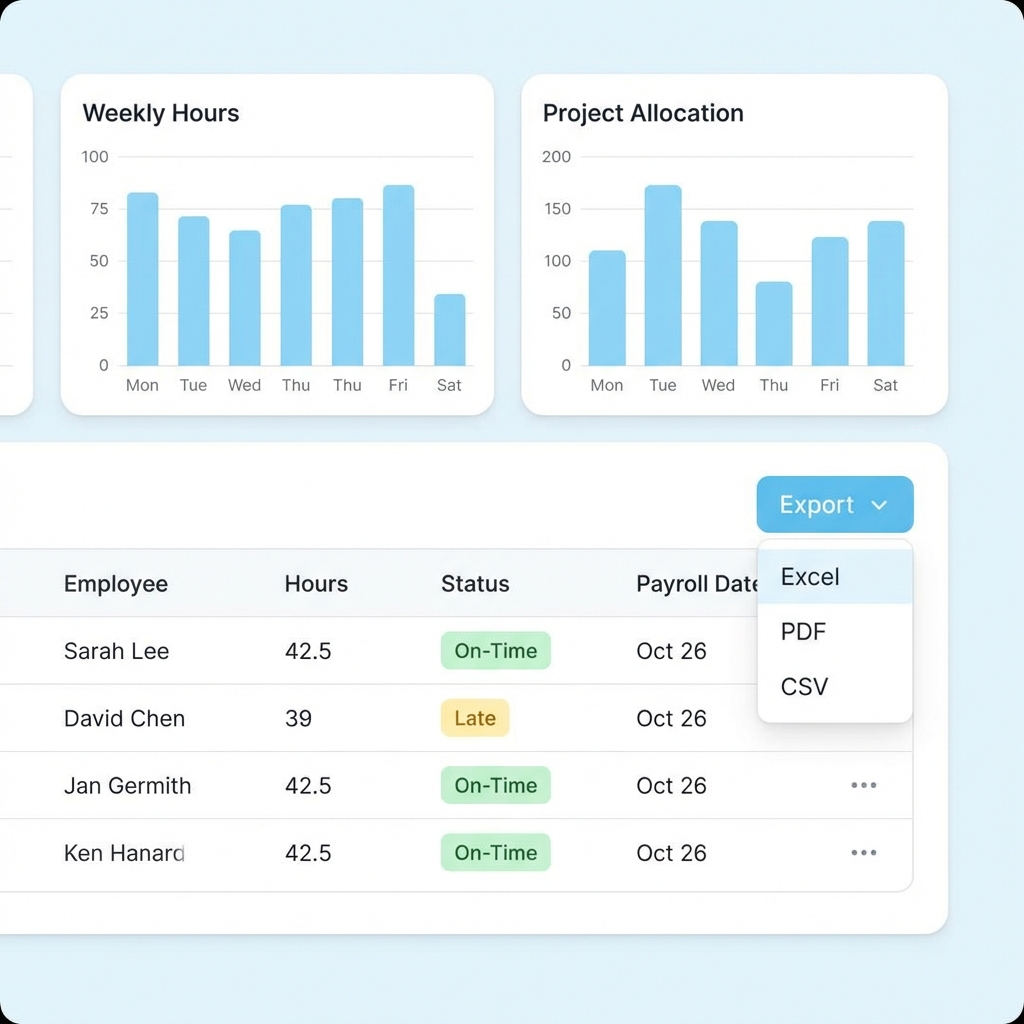
- ShiftsWork: Focuses on versatility and essential integrations. While it doesn't boast the massive POS catalog of 7shifts, ShiftsWork seamlessly handles standard calendar syncs and easy payroll timesheet exports. This is more than enough for modern, agile businesses that aren't tied down by legacy POS hardware.
Pricing & Value
- 7shifts: Pricing is heavily geared toward larger, enterprise clients. While a basic tier exists, crucial features (like advanced integrations and compliance alerts) are often gated behind expensive premium tiers, charged per location or per user.
- ShiftsWork: Offers unmatched value for budget-conscious businesses. The pricing structure is transparent with no hidden fees, making core features highly accessible to SMBs. If you don't need complex POS integrations, ShiftsWork will save you a massive amount on unnecessary software expenses.
3. The Verdict: Which Should You Choose?
Choose 7shifts if: You manage a large, multi-location restaurant chain with strict compliance requirements and heavily rely on specific POS systems for granular labor cost calculations. You are willing to pay a premium for complex, specialized management features.
Choose ShiftsWork if: You want a lightweight, fast, and cost-effective solution. Your team members (whether they are baristas, retail staff, or field event workers) are highly mobile. You want a tool that requires zero training, has zero bloat, and delivers an ultimate mobile scheduling experience without breaking the bank.
Ready to experience a lighter, faster way to schedule? Start your free trial of ShiftsWork today!
Frequently Asked Questions (FAQ)
1. Is ShiftsWork cheaper than 7shifts? Yes, for the vast majority of small to medium-sized teams, ShiftsWork offers much better value. While 7shifts gates many advanced features behind expensive premium tiers, ShiftsWork removes the bloat to provide exactly what everyday businesses need at a lower, transparent cost.
2. Is 7shifts good for non-restaurant businesses? While non-restaurant businesses can use 7shifts, its core architecture (POS integrations, tip pooling, restaurant compliance) is built entirely for hospitality. If you are outside the restaurant sector, you will likely be paying for a lot of features you simply cannot use.
3. Why is ShiftsWork’s mobile experience considered better for field workers? ShiftsWork was built with a "mobile-first" mindset. Every core action—from one-tap shift swaps to geofenced GPS clock-ins and instant push notifications—is optimized for smartphone screens. It ensures that frontline and field workers can manage their work lives seamlessly, even when they are on the move.